

01
Write Your Spark
Use the Spark field for the part you already know: a premise, a scene, a line of dialogue, or a contradiction. Geography, emotional texture, world rules, and art style can add direction, but you do not need a finished brief.
Describe a vibe, an item, or a line of dialogue — get an editable OC with personality, world, and matching art.
Free to start: 200 credits on sign-up, no credit card required. Sign in when you are ready to generate.
View Character ExamplesThe AI character generator arranges the work as a sequence, so you can stop with a useful basic profile or continue into deeper character and world development.
Use the Spark field for the part you already know: a premise, a scene, a line of dialogue, or a contradiction. Geography, emotional texture, world rules, and art style can add direction, but you do not need a finished brief.
The OC generator gives you appearance, personality, a signature scene, a place in the world, and an unresolved question. Accept what feels right and edit directly when a detail should be more specific.
Continue into OC Details for speech pattern, daily routine, an important person, and the central fracture. The World step adds geography, history, factions, and the character's place inside that history.
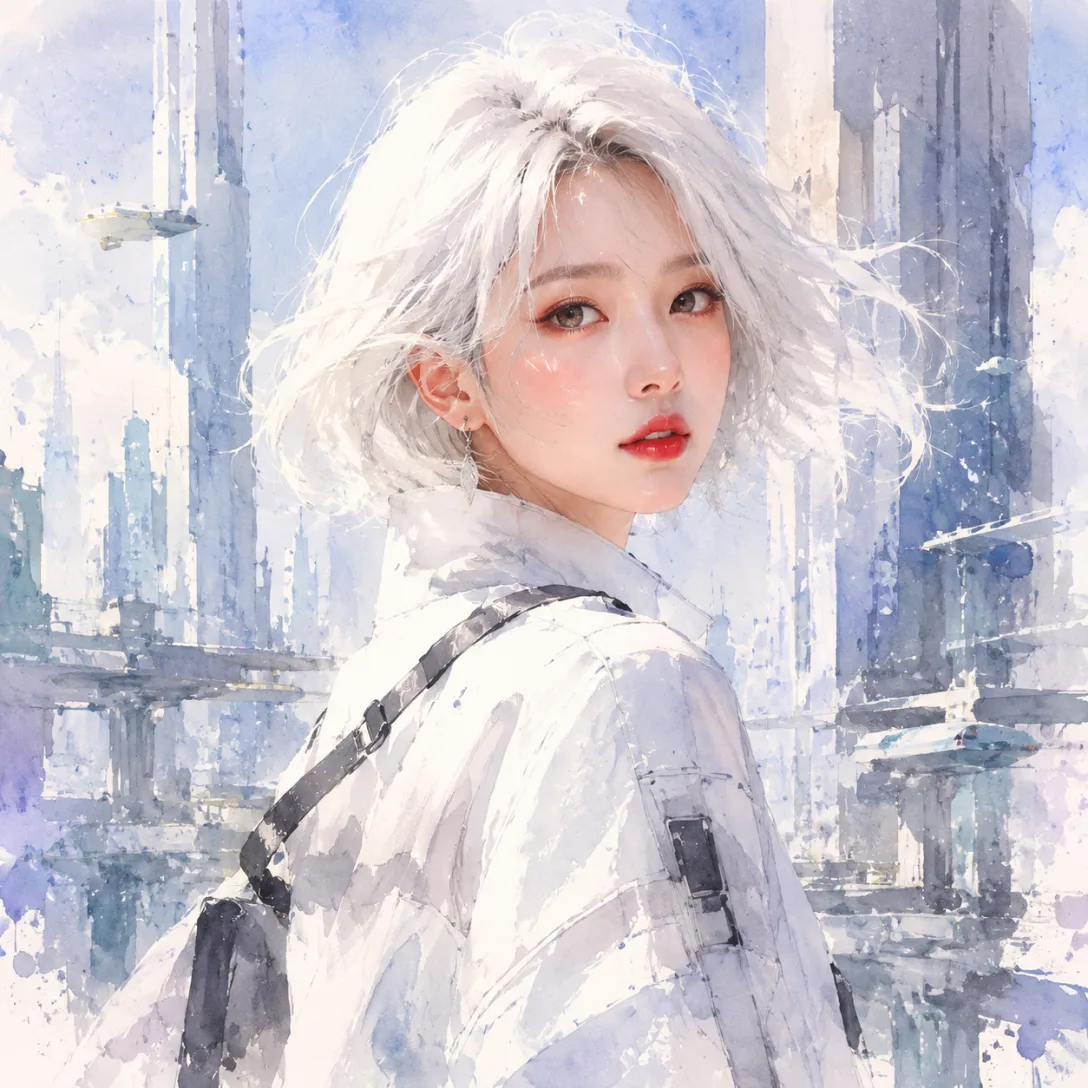
Generate a portrait from the profile and selected art style, then create an optional design sheet, download either image, or export the written record as JSON or Markdown.
The same character record can play a different role in each creative process. Start with the path closest to what you need to make next, then keep only the details that serve that work.
You already know how your OC feels, but explaining who they are is the hard part. Using this OC generator, start with the one detail that refuses to leave your head: a coat, a line of dialogue, a contradiction. OC Creator turns that spark into a structured profile with appearance, personality, a signature scene, and a place in the world. Every field stays editable, so the first generation is material to react to rather than a final answer. Keep what feels true, rewrite what does not, and carry the same foundation into portraits and the optional OC design sheet.
A plot stalls when the cast has descriptions but no pressure inside it. This character generator helps writers use a goal, a secret, a contradiction, or a relationship as the spark, then develop the character's speech, daily routine, an important person, and the unresolved fracture in their life. The world step locates those choices inside a history and faction landscape instead of leaving them as isolated traits. You decide what belongs in the draft; the profile gives you organized material for the next scene, a sharper conflict, or a relationship that can change.
A useful NPC needs a reason to exist in the world and enough distinction to create play. Begin with an era, location, faction tension, or rule, then shape one companion, rival, patron, merchant, or resident within that context. The AI character generator does not batch-generate production-ready game data; it gives you an editable record for one character at a time, including their place in history, so you can build a roster deliberately with a shared tone.
Visual exploration drifts when characters are built from disconnected prompts. This OC maker keeps the written profile first so identity, mood, setting, and role can inform the portrait prompt. Test another supported art style, revise the profile before generating again, or continue from the portrait to the optional OC design sheet. The result remains exploratory artwork, but the process has a clearer narrative anchor.
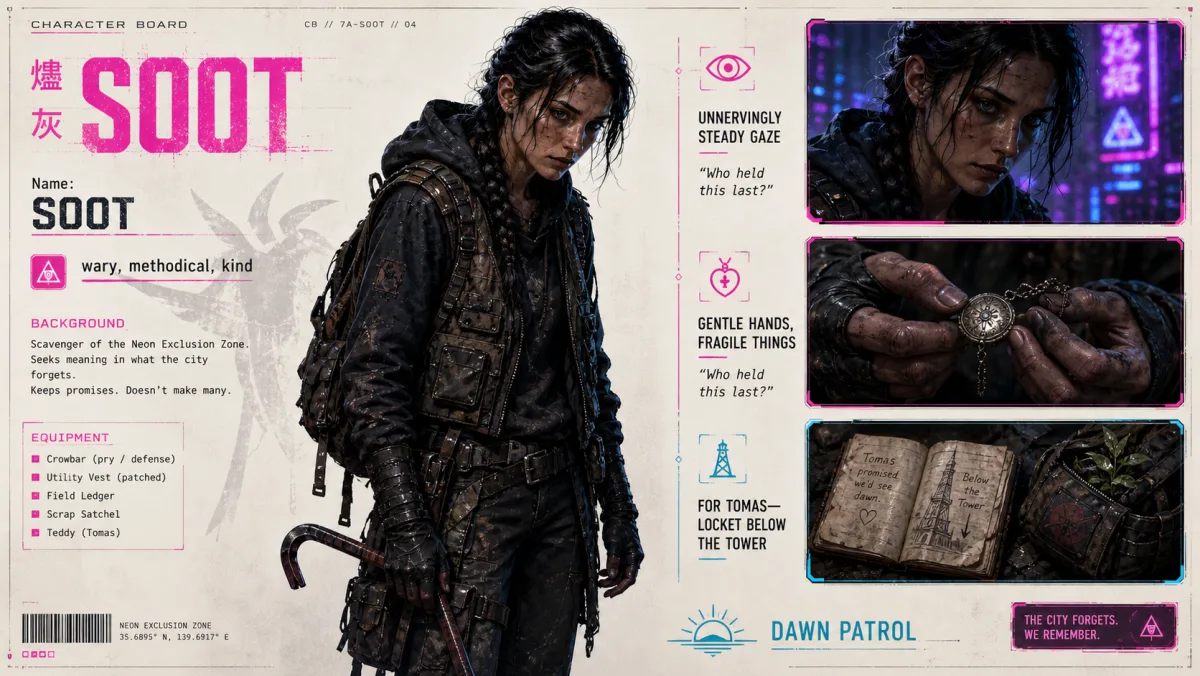
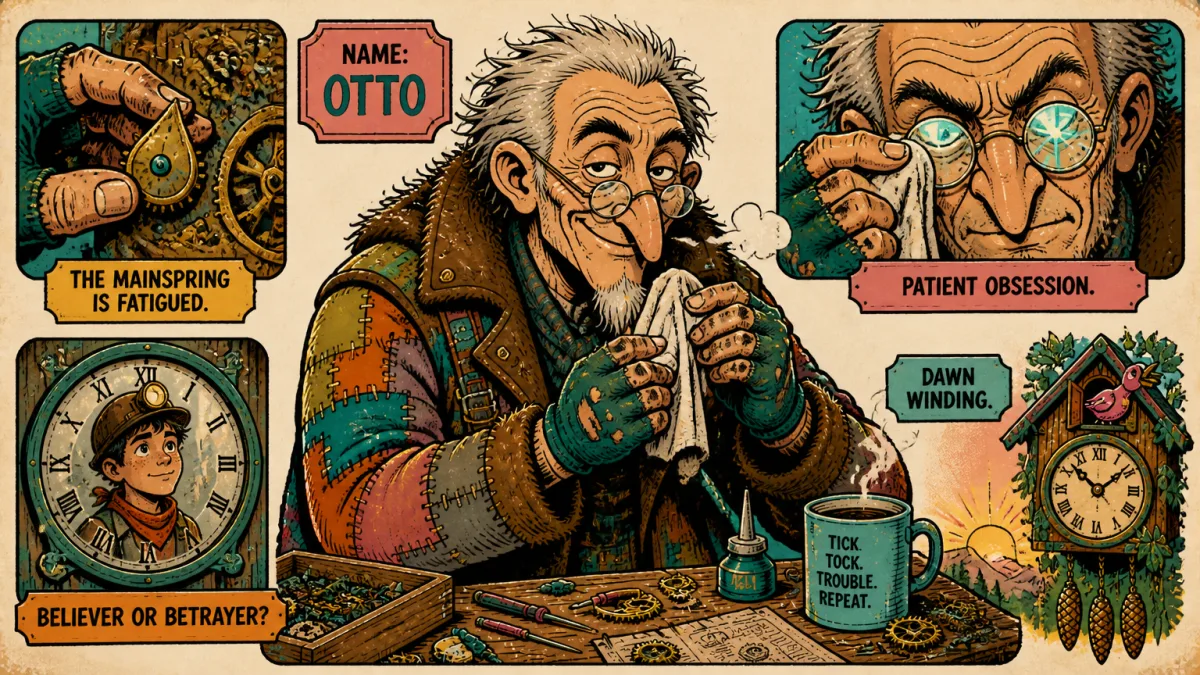
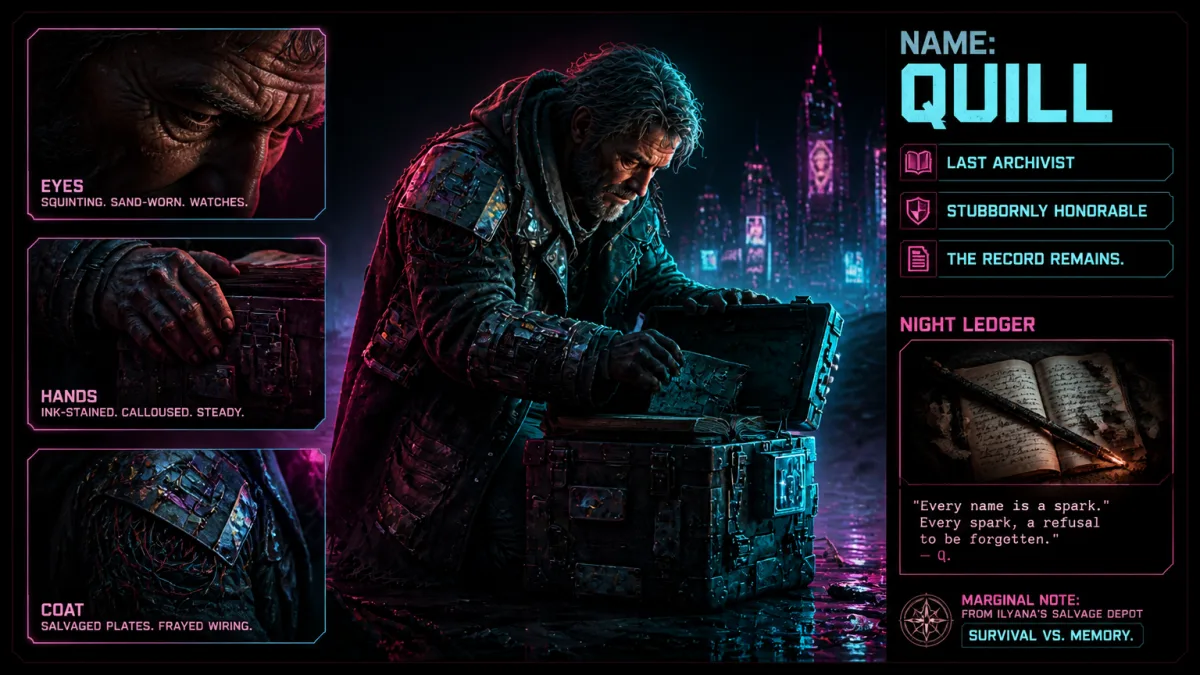
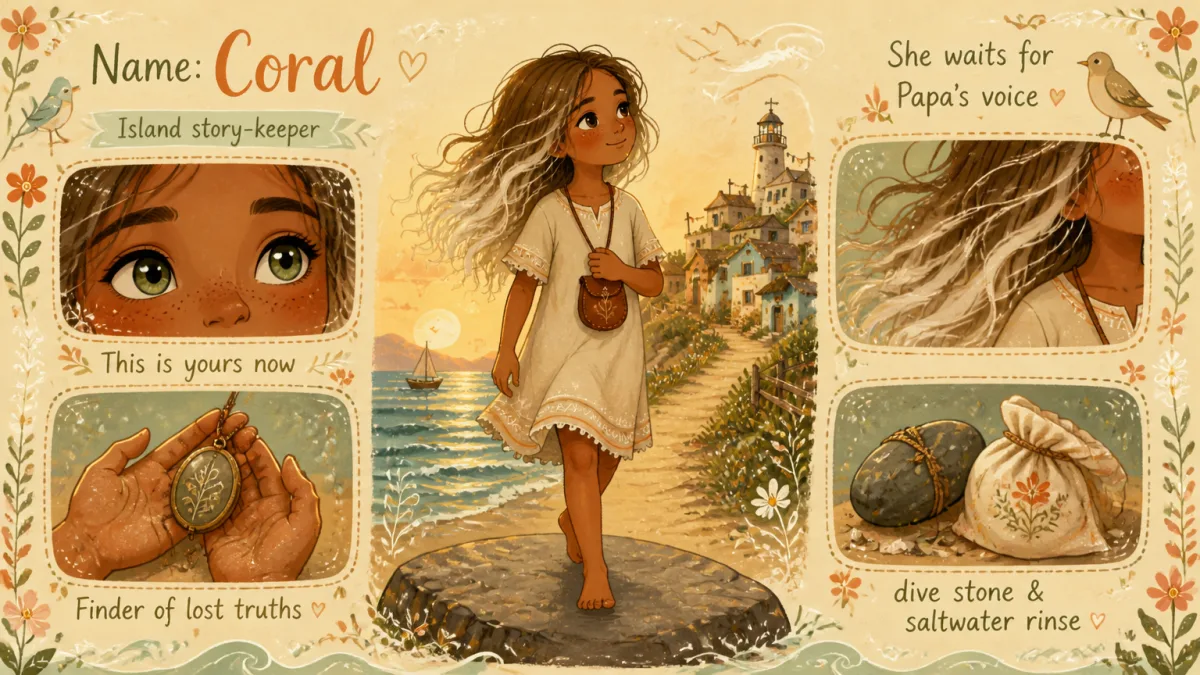
Every character below started in this OC generator as a one-line spark and grew into a structured profile with a portrait and a design sheet. Open a card to read the full record.
As an AI character generator, OC Creator keeps the written character, the surrounding world, and the visual direction in one workflow. Stop when you have enough material, or keep going when the project needs more depth.
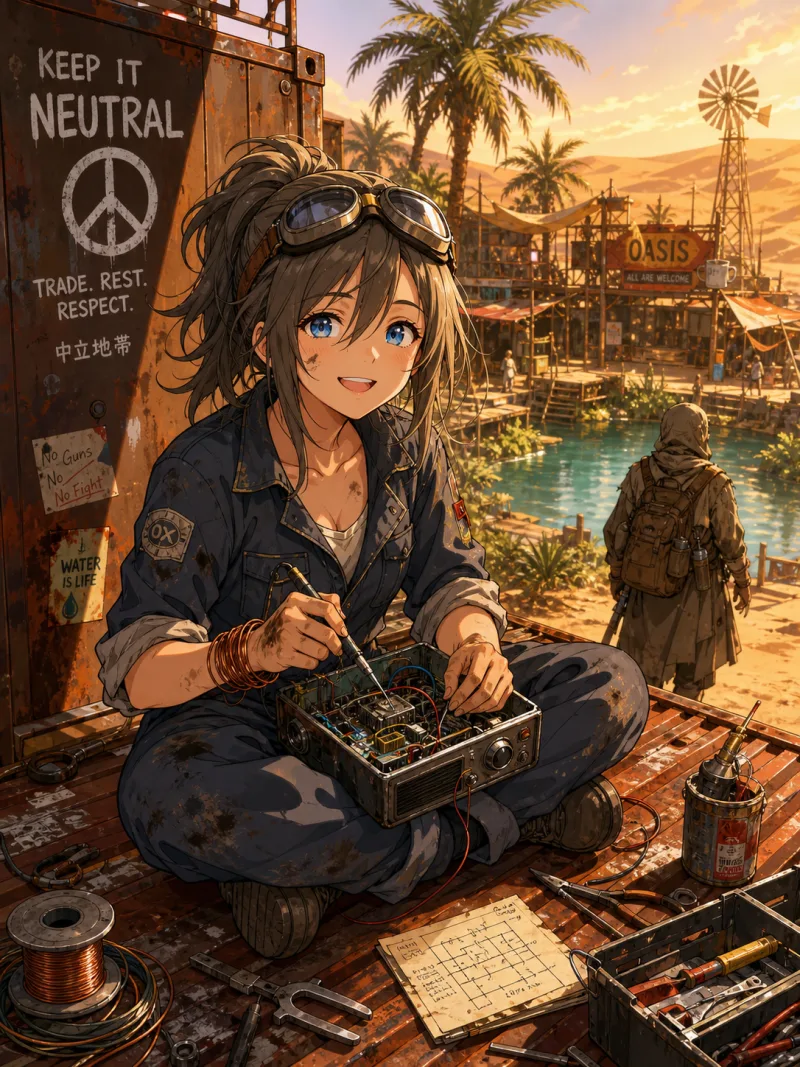
One sentence becomes a structured profile you can edit.
An original character may begin as a salt-covered coat, a whispering voice, or someone waiting at a station that no longer exists. Put down the part you know. The OC generator organizes that spark into appearance, personality, a signature scene, a place in the world, and an unresolved question. You get a structured starting point without inventing every detail first.
Speech, relationships, and the pressure points between them.
A memorable silhouette cannot carry a scene on its own. When a character has a name and appearance but no reason to act, the character generator helps you develop how they speak, what their ordinary day reveals, who matters to them, and where the central fracture in their life sits. Those details give you material for choices, alliances, arguments, and reversals instead of another biography that never changes the plot.
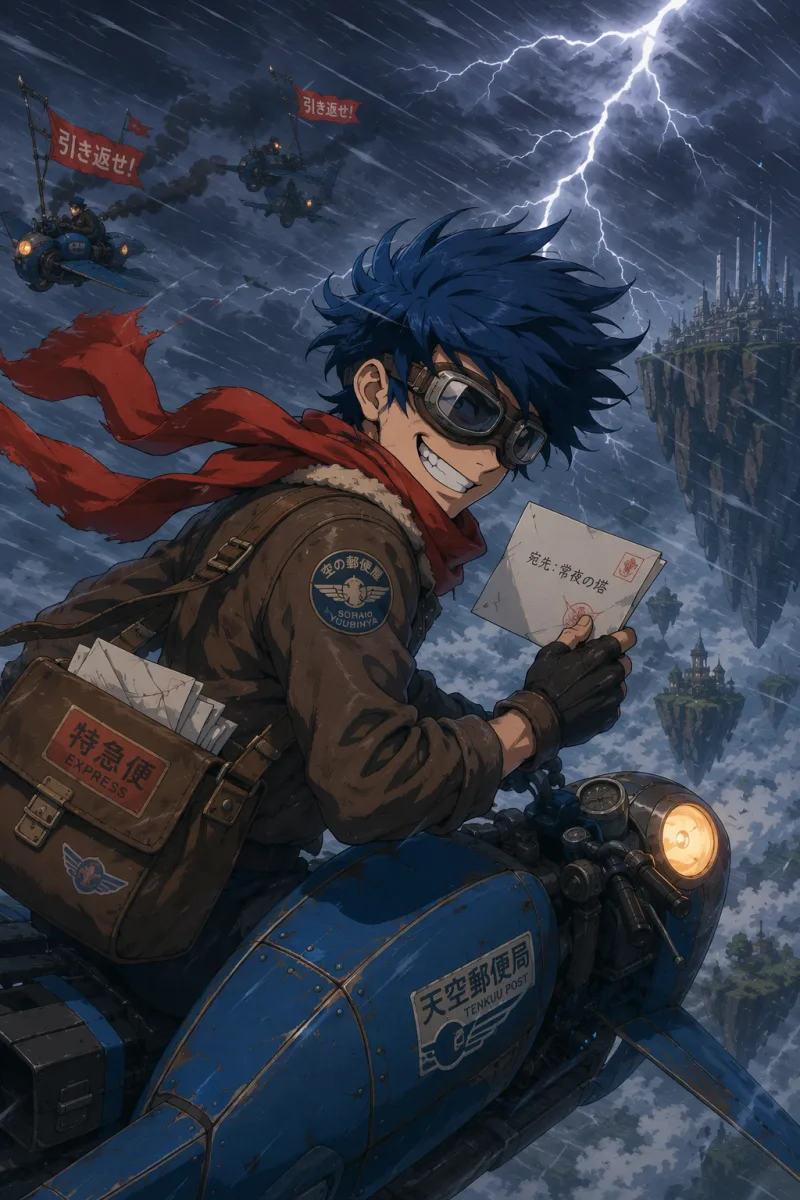
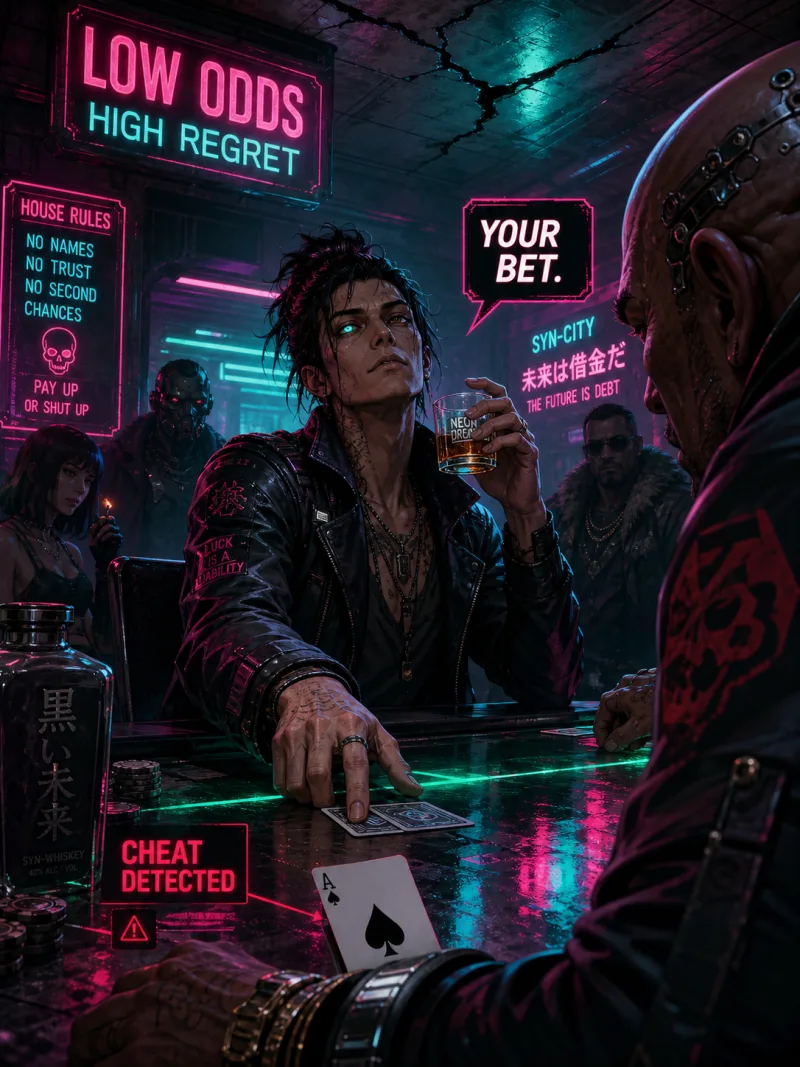
History, factions, and a real place in the setting.
Characters feel interchangeable when the world has no effect on who they became. Start with a geography, emotional texture, or rule, then build the history and factions that grew from it. The OC generator places the character inside that structure with a role and tensions you can keep editing. The result is one person shaped by a particular world, not a generic profile pasted onto a backdrop.
Portraits and design sheets built from the written record.
Visual development is easier when the image has more to work from than hair and clothing keywords. The character generator builds a portrait from the profile so identity, mood, role, and setting can guide the direction. Try another supported art style or revise the profile before generating again. Once a portrait establishes the character's identity, continue to the optional OC design sheet for a broader reference.
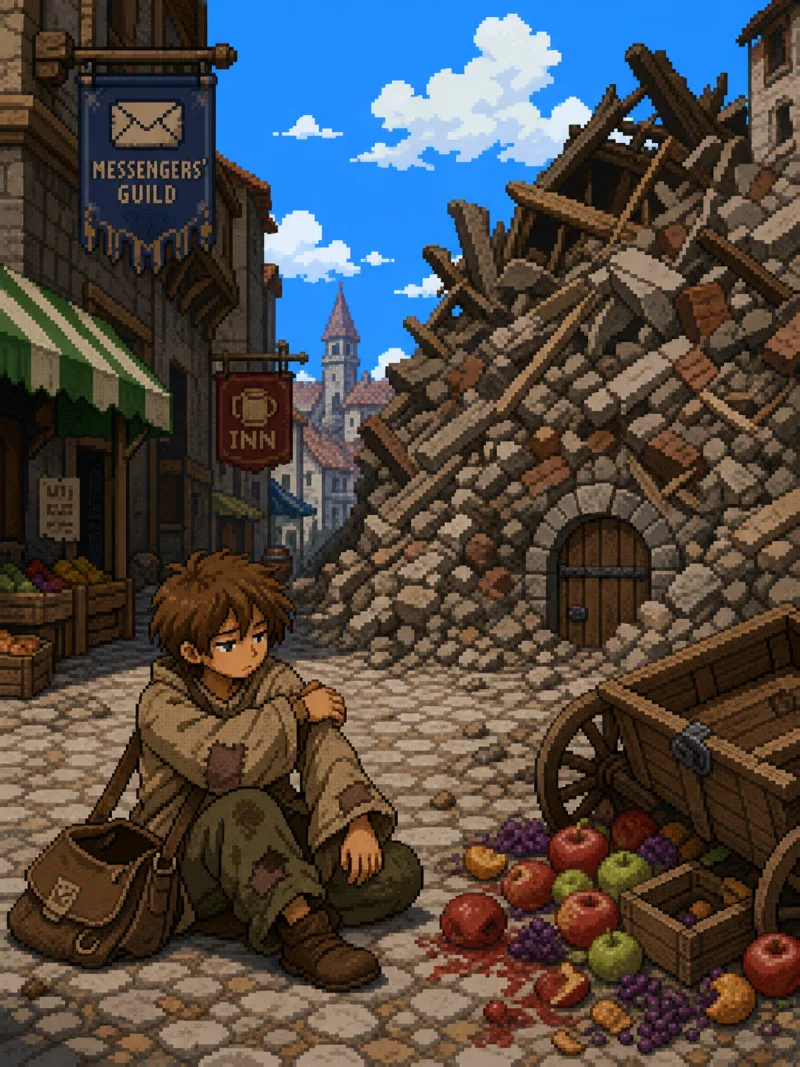
See how a profile-first workflow differs from a generic prompt tool.
| OC Creator AI | Generic Prompt Tools | |
|---|---|---|
| Input | Starts from a character idea | Usually writing a full prompt upfront |
| Character profile | Structured character fields | A loose block of text |
| World building | World history, factions, and the character's place | Usually manual |
| Editing | Keep editing and going deeper | Often requires reorganizing the prompt |
| Visuals | Generated from the profile | Usually a separate image description |
| Output | Profile, image, JSON, Markdown | Usually a one-shot result |
Subscribe monthly or yearly for credits, or buy a one-time pack.
Loading available plans
More questions about the OC generator? Feel free to contact us
Use this AI OC generator to create an editable profile, deepen the world, and explore the character's visual direction.